
Comprehensive Guide to Rail Construction in Pulaski County

Introduction to Rail Construction in Pulaski County
Rail construction in Pulaski County is a vital part of the region's infrastructure development. With growing demands for efficient transportation, the need for modern rail systems has never been more critical. This guide provides a comprehensive overview of the rail construction process, highlighting key considerations and steps involved.

Planning and Design
The first step in rail construction is meticulous planning and design. This phase involves assessing the county's transportation needs, evaluating potential routes, and designing the rail system to meet those requirements. Engineers and planners work together to ensure the design is efficient and sustainable, taking into account environmental and logistical factors.
Environmental Considerations
Environmental impact assessments are crucial during the planning stage. These assessments identify potential environmental challenges and propose solutions to mitigate them. This ensures the construction process is eco-friendly and complies with local regulations.

Funding and Budgeting
Securing adequate funding is essential for rail construction projects. Various sources of funding may be explored, including government grants, public-private partnerships, and local investments. Proper budgeting ensures that the project remains financially viable and can proceed without unnecessary delays.
Cost Management
Effective cost management strategies are implemented to prevent budget overruns. This includes detailed cost analysis, regular monitoring, and adjustments as needed. Keeping the project within budget is crucial for its success and sustainability.
Construction and Engineering
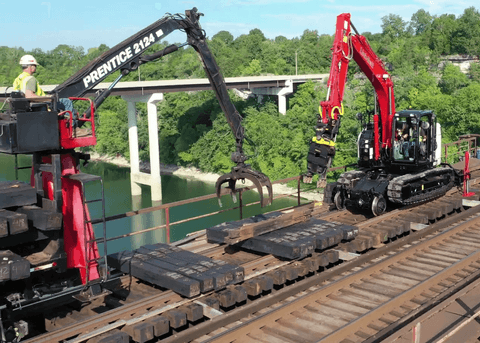
Once planning and funding are secured, the construction phase begins. This involves laying tracks, building stations, and installing necessary infrastructure. Skilled engineers and construction workers collaborate to ensure the project is executed safely and efficiently.
Safety Protocols
Safety is a top priority in rail construction. Strict safety protocols are followed to protect workers and the public. Regular inspections and adherence to safety standards are crucial to prevent accidents and ensure a secure working environment.
Challenges and Solutions
Rail construction projects often encounter challenges such as land acquisition, community opposition, and technical difficulties. Addressing these challenges requires strategic planning and effective communication with stakeholders to find viable solutions.
Community Engagement
Engaging with the community is essential to gain support and address concerns. Public meetings, informational sessions, and open communication channels help build trust and ensure the project aligns with the community's interests.

Conclusion
Rail construction in Pulaski County is a complex but rewarding endeavor that enhances the region's transportation infrastructure. By understanding the planning, funding, construction, and community engagement processes, stakeholders can contribute to a successful rail project that benefits everyone involved. As Pulaski County continues to grow, efficient rail systems will play a crucial role in supporting economic development and sustainability.