
How Seasonal Changes Impact Rail Infrastructure in Pulaski County

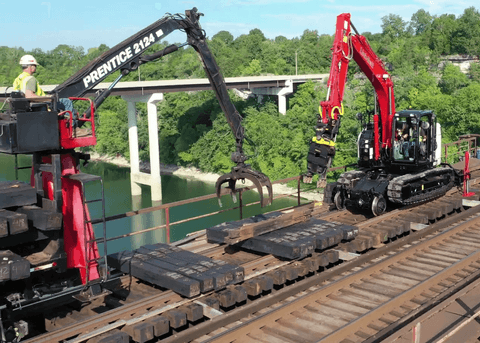
As the seasons change, so do the challenges faced by rail infrastructure in Pulaski County. Each season brings unique conditions that can impact the integrity and efficiency of the rail system. Understanding these effects is crucial for maintaining a safe and reliable network.
Winter Challenges
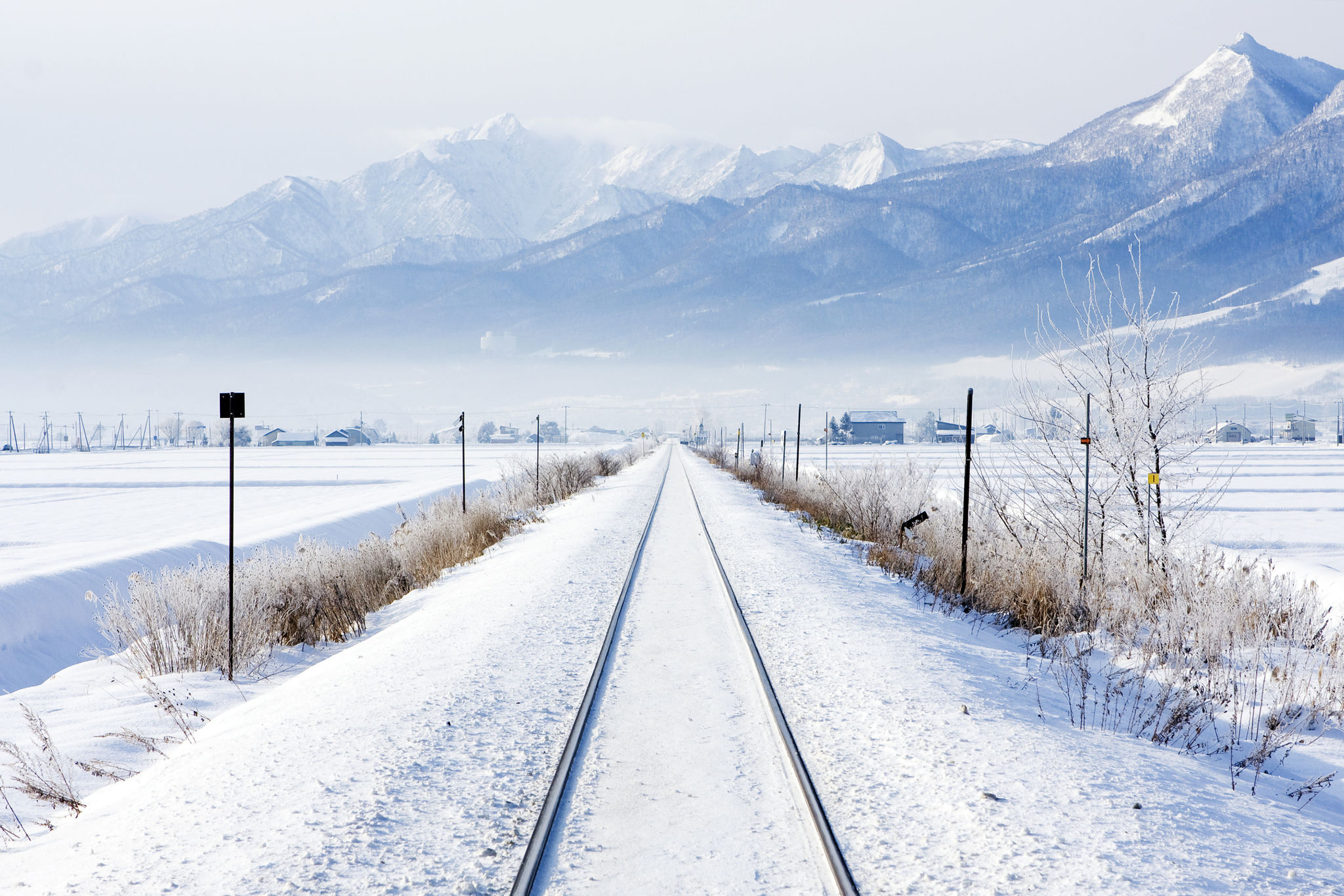
Winter poses several obstacles for rail operations. Cold temperatures can cause the metal in rails to contract, leading to potential breaks or misalignments. Snow and ice accumulation can obstruct tracks and interfere with signals, requiring constant maintenance and monitoring.
Moreover, freezing conditions can affect train equipment, causing delays or malfunctions. Ensuring that heating systems in rail switches are operational is critical to avoid disruptions.
Spring Thaw and Flooding
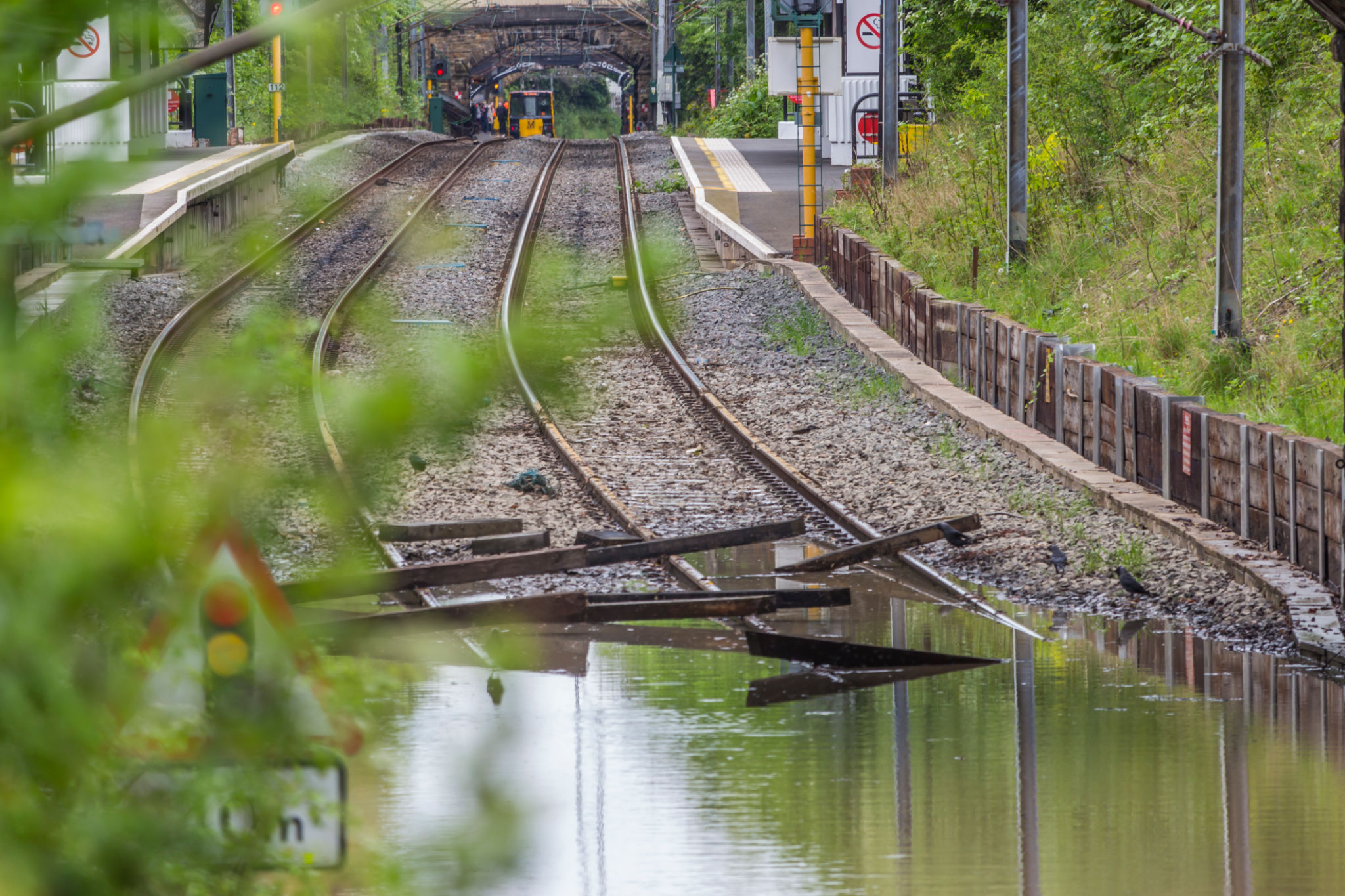
Spring brings a different set of challenges, with the thawing of ice and snow often leading to flooding. This can weaken the ground beneath tracks, potentially causing shifts or even washouts. Regular inspections are essential to identify any weaknesses early.
Additionally, increased rainfall can exacerbate these issues, making drainage systems a priority. Ensuring that culverts and ditches are clear and functional helps prevent water from pooling around the tracks.
Summer Heat and Expansion
During the summer months, high temperatures can cause rail tracks to expand, leading to a phenomenon known as "sun kinks" or track buckling. This can be dangerous, as it may result in derailments if not addressed promptly.
To mitigate these risks, railways implement measures such as rail stressing during installation and regular monitoring of track temperature. These proactive steps help maintain the structural integrity of the tracks.
Autumn Leaves and Maintenance
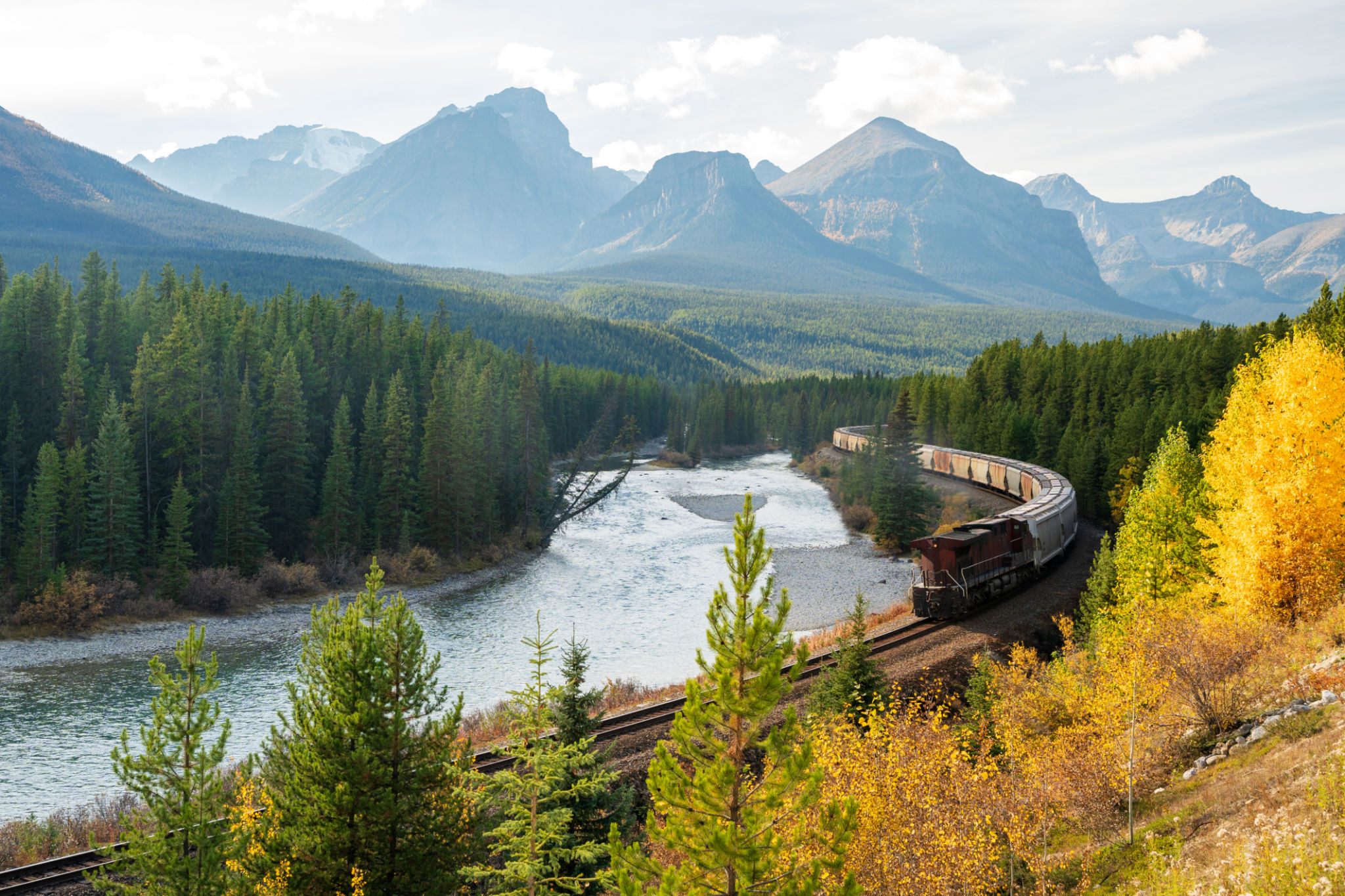
Autumn introduces the challenge of fallen leaves, which can create a slick layer on tracks, reducing traction for trains. This can lead to difficulties in braking and acceleration, requiring adjustments to schedules and operations.
Regular cleaning and maintenance are necessary to ensure tracks remain clear. Rail operators often deploy specialized equipment to manage leaf buildup effectively.
Year-Round Preparedness
Despite these seasonal challenges, Pulaski County's rail infrastructure is equipped to handle such conditions through meticulous planning and maintenance. Investing in advanced technology and regular training for personnel ensures the system remains resilient.
By understanding and preparing for these seasonal impacts, rail operators can maintain safety and efficiency, keeping transportation smooth and reliable throughout the year.