
Myth-Busting: Common Misconceptions About United States Rail Infrastructure

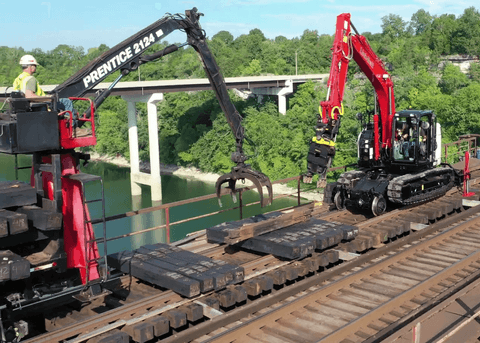
The Myth of Obsolete Technology
One common misconception about the United States rail infrastructure is that it's stuck in the past, relying on outdated technology. However, while the U.S. rail system may not be as flashy as some of its counterparts, it is far from obsolete. In fact, American rail companies are investing heavily in modern technology to enhance safety and efficiency.
For instance, Positive Train Control (PTC) systems are being implemented across the country. These systems use advanced technology to automatically stop or slow down trains in case of emergencies, significantly reducing the risk of accidents.

The Belief That Trains Are Slow
Another widespread myth is that trains in the U.S. are inherently slow. While it's true that high-speed rail is not as prevalent in the U.S. as in other countries, there are many routes where trains offer competitive travel times compared to driving or flying. The Northeast Corridor, for example, is a prime example where trains offer a fast and convenient alternative to air travel.
Moreover, there are ongoing discussions and projects aimed at introducing more high-speed rail options, which could revolutionize how Americans view train travel in the near future.

The Cost Misconception
Many people believe that maintaining and expanding rail infrastructure is prohibitively expensive. While infrastructure projects are indeed costly, the long-term benefits often outweigh the initial expenses. Rail systems can reduce traffic congestion, decrease greenhouse gas emissions, and promote economic growth by connecting cities and regions.
State and federal governments, along with private investors, are recognizing these benefits and are increasingly willing to invest in rail infrastructure improvements.
The Idea That Freight Rail Is Inefficient
Some people argue that freight rail in the U.S. is inefficient compared to trucking or other forms of transportation. In reality, freight rail is one of the most efficient and environmentally friendly ways to transport goods. It can move a ton of freight over 470 miles on a single gallon of fuel, making it a crucial component of the logistics network.
Additionally, the U.S. rail network is extensive and well-maintained, allowing for efficient transportation of goods across vast distances.
The Perception of Limited Reach
There's a belief that trains don't reach enough places to be a viable transportation option. While it's true that not every city is connected by passenger rail, the Amtrak network covers over 500 destinations and 46 states. Efforts are underway to expand these services and make rail travel more accessible to a broader audience.
With continued investment and development, the reach of rail infrastructure is set to grow, making it a more viable option for more Americans.

Conclusion
It's clear that many misconceptions about U.S. rail infrastructure are rooted in outdated perceptions. As technology advances and investments continue, the rail system will play an increasingly important role in the nation's transportation network. By dispelling these myths, we can better appreciate the current state and future potential of rail travel in the United States.