
Understanding Kentucky's Rail System Development: Opportunities and Challenges

Introduction to Kentucky's Rail System
Kentucky's rail system has long been an integral part of the state's economic framework. With its strategic location, the state serves as a crucial transportation hub, connecting the Midwest with the Southeast. Understanding the development of this rail system involves examining both the opportunities it presents and the challenges it faces.

Historical Context and Growth
The history of railroads in Kentucky dates back to the 19th century. Initially built to support the coal industry, the rail system expanded to facilitate the movement of various goods and passengers. This growth has been instrumental in shaping Kentucky's economic landscape.
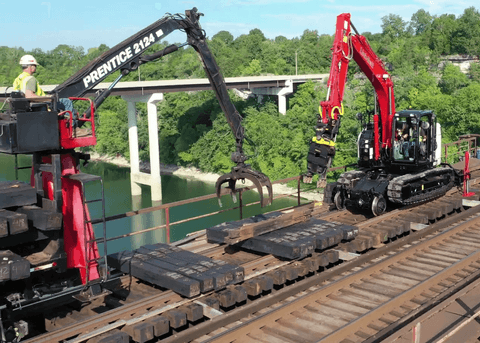
Over the years, investments in infrastructure have led to improvements in track technology and efficiency. However, continuous growth requires adapting to modern demands and technological advancements.
Modernization Efforts
Modernization of Kentucky's rail system is vital to maintain competitiveness. This includes upgrading existing tracks, enhancing safety features, and integrating digital technologies. The implementation of positive train control (PTC) systems is an example of such advancements, designed to prevent accidents and improve scheduling efficiency.
Opportunities in Rail System Development
The ongoing development of Kentucky's rail system opens numerous opportunities. One significant advantage is the potential for economic growth through increased freight capacity. This capability can attract new businesses and industries to the region, boosting local economies.
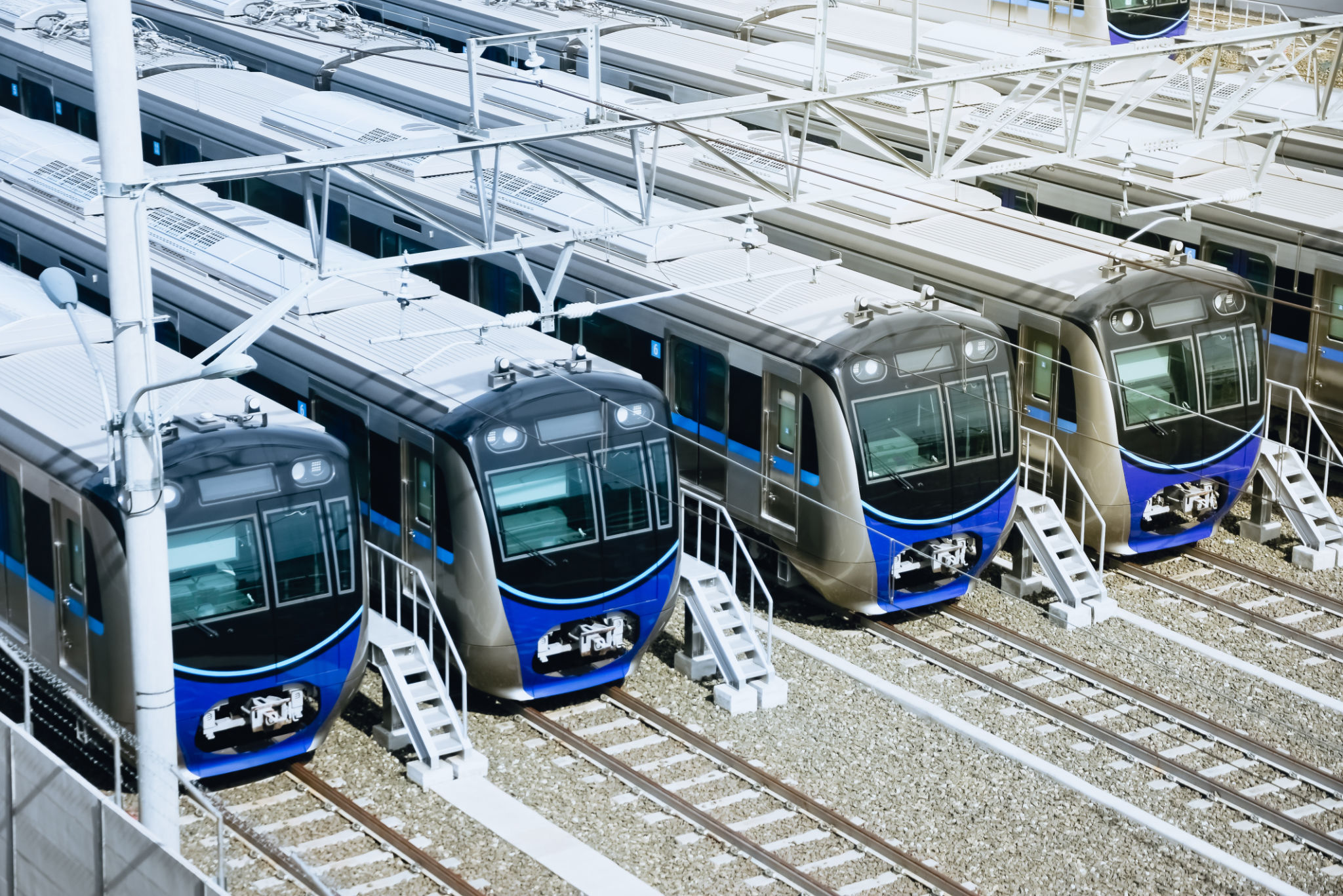
Moreover, enhancing passenger rail services can lead to tourism growth and reduced road congestion. By promoting environmentally friendly travel options, Kentucky can contribute to broader sustainability goals.
Public and Private Sector Collaboration
Collaboration between public and private sectors is crucial for the successful development of the rail system. Partnerships can lead to shared investments in infrastructure, resulting in improved services and facilities.

Challenges Facing Kentucky's Rail System
Despite the potential benefits, several challenges must be addressed. Aging infrastructure remains a primary concern, requiring significant investment for repairs and upgrades. Additionally, securing funding for large-scale projects often involves navigating complex regulatory and bureaucratic processes.
Another challenge is balancing the interests of freight and passenger services. Ensuring that both can coexist and thrive without compromising efficiency is essential for the system's overall functionality.
Future Outlook
Looking ahead, the future of Kentucky's rail system depends on strategic planning and investment. Embracing technological innovations and fostering collaborative efforts will be key to overcoming challenges and maximizing opportunities.
By focusing on sustainable development, Kentucky can ensure its rail system continues to be a vital component of its economic infrastructure, supporting growth and connectivity for years to come.
